Why Lymphatic Therapy Is the Ultimate Detox for Body and Skin
Modern lifestyles often expose the body to environmental toxins, chronic stress, sedentary habits, and inflammatory foods. Over time, these factors can overwhelm natural detoxification pathways, leading to fatigue, swelling, skin congestion, and reduced immune resilience.
Lymphatic therapy has emerged as a gentle, clinically informed approach that supports the body’s natural detox processes while also improving skin clarity and circulation. At Lily Dermal Care, lymphatic treatments are incorporated into holistic skin and body wellness programs designed to restore balance and improve overall vitality.
This guide explores how lymphatic therapy works, who benefits most, and why it is increasingly recognized as a foundational wellness practice.
Understanding the Lymphatic System
The lymphatic system is a vital yet often overlooked part of human physiology. It is responsible for transporting lymph fluid, filtering waste products, and supporting immune function.
Unlike the circulatory system, which relies on the heart to pump blood, the lymphatic system depends on movement, breathing, and manual stimulation. When lymph flow slows, waste and excess fluid can accumulate in tissues, contributing to puffiness, discomfort, and dull skin.
Lymph nodes located in the neck, underarms, abdomen, and groin act as filtration centers, removing toxins and supporting immune activity. When these pathways become congested, the body’s ability to cleanse itself efficiently may be compromised.
What Is Lymphatic Therapy?
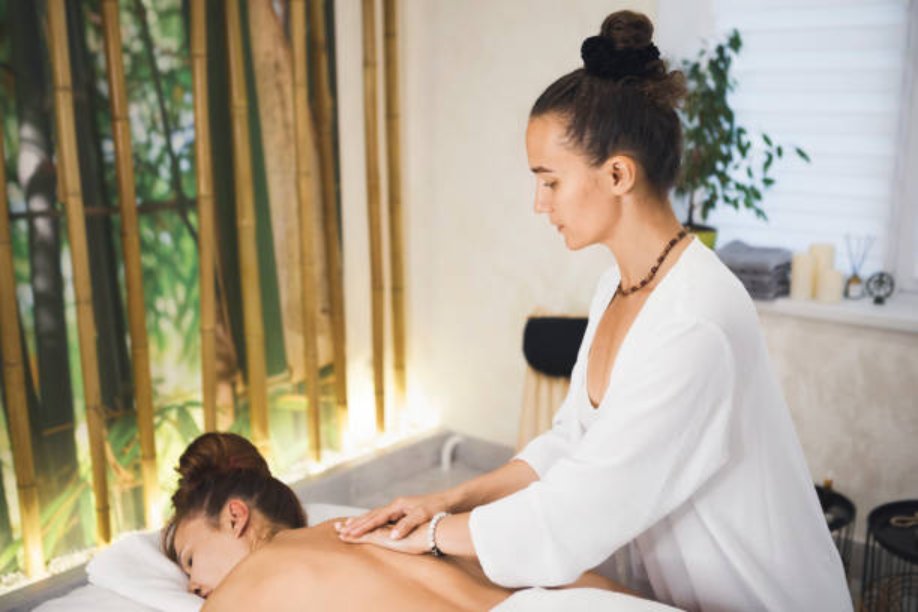
Lymphatic therapy is a specialized manual technique that uses light, rhythmic movements to stimulate lymph flow throughout the body. Unlike deep tissue massage, lymphatic therapy focuses on superficial lymph vessels located just beneath the skin.
The goal is to encourage stagnant lymph fluid to move toward lymph nodes, where waste materials can be processed and eliminated naturally.
At Lily Dermal Care, lymphatic therapy is often integrated with advanced skin and body services, including body sculpting and contouring treatments that support post-treatment recovery and drainage.
Gentle Pressure and Directional Strokes
Lymphatic therapy relies on precise hand movements rather than pressure. Practitioners follow specific anatomical pathways, guiding lymph fluid toward drainage points. These gentle strokes help activate the lymphatic system without stressing surrounding tissues.
This approach makes lymphatic therapy suitable for individuals who cannot tolerate deep massage or who are recovering from procedures.
Slow Rhythmic Techniques
Slow, repetitive movements stimulate lymph vessels and promote relaxation. This rhythm supports parasympathetic nervous system activation, helping reduce stress while improving circulation.
How Lymphatic Therapy Supports Body Detox
Detoxification is a continuous biological process managed primarily by the liver, kidneys, and lymphatic system. Lymphatic therapy does not replace these organs but supports their function by improving fluid movement.
Those searching for lymph flow detox fairfax are often seeking a non-invasive way to assist natural cleansing mechanisms. By encouraging lymph circulation, therapy may help reduce fluid retention, improve cellular waste removal, and support metabolic balance.
Encouraging Waste Removal
Metabolic byproducts, environmental toxins, and inflammatory compounds are transported through lymph fluid. When flow improves, these materials can be processed more efficiently, helping reduce feelings of heaviness and bloating. Improved lymphatic circulation may also support the body’s natural detoxification processes by assisting the movement of excess fluids and cellular waste toward filtration organs. Over time, consistent lymphatic support may contribute to improved energy levels, reduced tissue congestion, and a greater sense of physical comfort.
Supporting Digestive and Abdominal Health
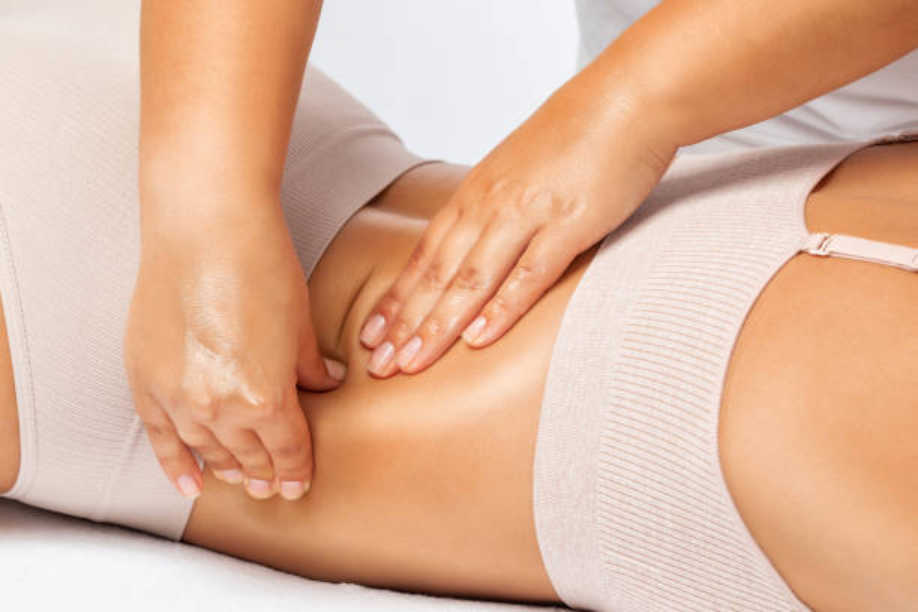
The abdomen contains a large concentration of lymph vessels. Gentle stimulation in this area may assist digestive comfort and reduce abdominal swelling associated with fluid retention. Enhanced lymphatic flow may also help reduce pressure in surrounding tissues, which can support smoother digestive function and improved nutrient absorption. Additionally, promoting healthy fluid movement around abdominal organs may support gut motility and reduce temporary discomfort linked to bloating or mild digestive sluggishness.
Lymphatic Therapy and Skin Health
Skin concerns often reflect internal imbalances. Congested lymph flow may contribute to acne, dull tone, and facial puffiness. By enhancing lymph movement, therapy supports improved nutrient delivery and waste clearance at the cellular level.
At Lily Dermal Care, lymphatic techniques are commonly incorporated into facial and body programs designed to improve skin texture and overall radiance.
Lymphatic therapy may support skin health in several key ways:
- Reducing facial puffiness and swelling: Lymphatic therapy can help move excess fluid away from the face, particularly around the eyes and jawline. This gentle drainage process may reduce morning puffiness and support a more contoured appearance, leaving many clients feeling refreshed after treatment.
- Supporting clearer complexion: Improved circulation may help reduce congestion that contributes to breakouts and uneven texture. While individual results vary, consistent lymphatic sessions often support healthier-looking skin by encouraging toxin removal and improving nutrient delivery to skin cells.
Body Detox Massage and Circulation Support
People exploring body detox massage fairfax frequently seek relief from swelling, fatigue, or sedentary lifestyle effects.
Lymphatic therapy supports circulation by promoting fluid movement and oxygen delivery throughout the body. Individuals searching for circulation massage fairfax va may benefit from lymphatic techniques that help restore balance in the limbs and extremities.
Lymphatic therapy may support circulation and detox in the following ways:
- Improving oxygen and nutrient delivery: Enhanced circulation allows oxygen and essential nutrients to reach tissues more efficiently, which may support energy levels, cellular repair, and overall recovery from physical or daily stress.
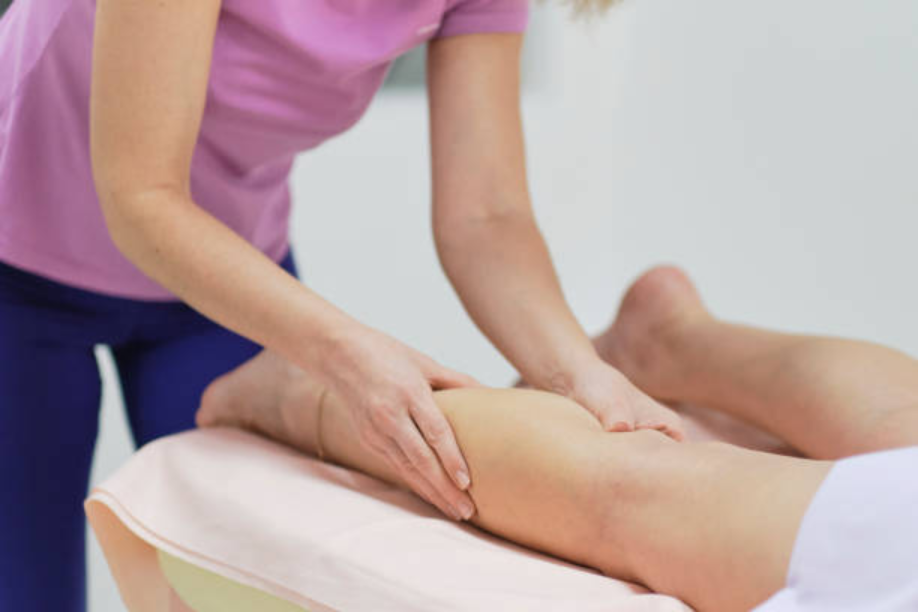
- Reducing fluid retention in legs and arms: Lymphatic massage is commonly used to address heaviness and swelling in the lower body, particularly for individuals who sit or stand for extended periods. Gentle stimulation helps guide excess fluid away from extremities, promoting comfort and mobility.
Who May Benefit from Lymphatic Therapy
Lymphatic therapy is suitable for many individuals, including those experiencing fluid retention, skin congestion, post-procedure swelling, or chronic stress.
People often begin by searching for lymphatic therapy near me, hoping to find qualified providers who understand anatomy and skin health.
Clients at Lily Dermal Care receive personalized care plans based on lifestyle, wellness goals, and skin concerns.
Individuals Managing Stress and Fatigue
Chronic stress can slow lymphatic circulation and contribute to inflammation, poor sleep, and low energy levels. Lymphatic therapy offers a calming, restorative experience that supports nervous system balance while encouraging detox pathways. Individuals experiencing mental or physical fatigue may find lymphatic sessions helpful as part of a broader self-care and wellness routine.
Situations Where Medical Guidance Is Needed
Individuals with infections, blood clots, heart conditions, or kidney issues should consult a healthcare professional before starting lymphatic therapy. This also applies to those who are pregnant, recovering from major surgery, or managing chronic medical conditions. A qualified provider will review your health history to ensure treatments are appropriate, safe, and aligned with your overall care plan.
Combining Lymphatic Therapy with Body Contouring
Lymphatic therapy is frequently paired with non-invasive sculpting treatments to support post-session drainage and comfort.
At Lily Dermal Care, body contouring services are designed with anatomical precision, and lymphatic massage may be used to enhance recovery and overall results.
When combined with body contouring, lymphatic therapy may offer the following supportive benefits:
- Encouraging post-treatment drainage: Gentle lymphatic techniques help guide excess fluid away from treated areas, which may reduce temporary swelling and support a smoother recovery process following contouring sessions.
- Supporting comfort and circulation: Improved lymph flow may help ease tightness or heaviness in targeted areas while promoting healthy circulation, allowing tissues to receive oxygen and nutrients more efficiently.
- Enhancing overall treatment experience: Integrating lymphatic therapy into body contouring programs can help promote relaxation, support skin appearance, and contribute to a more balanced, holistic approach to body wellness.
Daily Habits That Support Lymphatic Health
Professional sessions are most effective when supported by consistent lifestyle practices. Simple daily routines can significantly enhance lymphatic flow and extend the benefits of in-clinic treatments. When combined with lymphatic therapy, these habits help maintain fluid balance, support detoxification, and promote overall wellness between appointments.
Staying Hydrated
Water is essential for lymph flow. Adequate hydration helps maintain fluid balance and supports waste removal. Drinking water consistently throughout the day keeps lymph fluid moving efficiently and prevents thickening of lymph, which can slow detox pathways. Herbal teas and water-rich foods such as cucumbers and citrus fruits can also contribute to healthy hydration levels.
Gentle Movement
Walking, stretching, and light exercise stimulate lymph circulation naturally. Because the lymphatic system relies on muscle movement, even short walks or gentle yoga sessions can activate lymph flow. Rebounding, swimming, and mobility exercises are also effective ways to encourage drainage and reduce fluid retention, especially for individuals with sedentary routines.
Deep Breathing
Diaphragmatic breathing acts as an internal pump for lymph movement, especially in the abdominal region. Slow, deep breaths engage the diaphragm and help move lymph through central vessels. Practicing mindful breathing for just a few minutes daily can improve circulation, reduce stress, and support digestive and immune health.
Conclusion
Lymphatic therapy offers a gentle, evidence-informed way to support detoxification, circulation, immune health, and skin clarity. By working with the body’s natural systems, it promotes balance without aggressive intervention.
At Lily Dermal Care, lymphatic techniques are thoughtfully integrated into personalized skin and body programs focused on long-term wellness.
If you are considering lymphatic therapy or would like guidance tailored to your needs, we invite you to contact us through Lily Dermal Care to begin your wellness journey.
Frequently Asked Questions
1. How often should lymphatic therapy be done?
Frequency depends on individual goals. Some begin with weekly sessions, transitioning to monthly maintenance.
2. Is lymphatic therapy painful?
No. The technique uses light pressure and is generally relaxing.
3. Can lymphatic therapy help with bloating?
It may assist fluid movement and reduce temporary water retention.
4. Does lymphatic therapy replace medical detox treatments?
No. It supports natural processes but does not replace medical care.
5. When will I see results?
Some people notice immediate changes in puffiness, while others see gradual improvements over several sessions.