
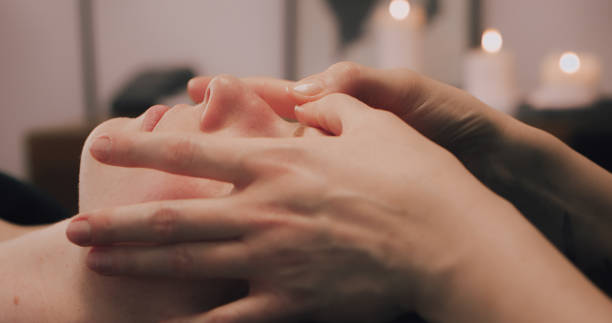
To prepare for a lymphatic drainage massage, drink water regularly, eat a light meal, wear comfortable clothing, and arrive with enough time to discuss your health history and treatment goals. Tell your lymphatic massage therapist about medications, recent procedures, medical conditions, or areas of concern before the session. Follow any personalized instructions provided before your appointment.
Key Takeaways
- Drink water throughout the day and avoid arriving dehydrated.
- Choose comfortable clothing that is easy to change out of.
- Share relevant medical history, medications, allergies, and recent procedures.
- Avoid heavy meals immediately before your appointment.
- Lymphatic drainage massage uses gentle, rhythmic movements rather than deep pressure.
- Ask your therapist what to expect during and after the session.
- Follow personalized massage aftercare instructions.
- Seek medical guidance before treatment if you have an underlying health condition or unexplained swelling.
What Is a Lymphatic Drainage Massage?
Lymphatic drainage massage is a specialized, gentle massage technique designed to encourage the movement of lymph fluid through the lymphatic system. This system is made up of vessels, lymph nodes, and other tissues that help maintain fluid balance and support the body’s immune functions.
Unlike traditional massage, which may focus on relaxing muscles and relieving tension, lymphatic drainage uses light, controlled movements that work close to the surface of the skin. The technique follows specific pathways to encourage fluid movement towards functioning lymphatic vessels and nodes.
It may be recommended as part of a care plan for certain types of swelling, including lymphedema. Some people also explore lymphatic treatments as part of their body and skin care routines. However, the purpose and suitability of treatment depend on individual needs.
At Lily Dermal Care, understanding the treatment process and preparing properly can help you approach your appointment with greater confidence.
Why Is Lymphatic Massage Preparation Important?
Preparing before lymphatic massage is about more than arriving on time. It helps your therapist understand your needs, identify relevant health considerations, and plan an appropriate session.
Good preparation can help you:
- Communicate your expectations: Explaining your concerns helps your therapist understand what you want to address.
- Support a comfortable experience: Comfortable clothing and a relaxed arrival can make the appointment easier.
- Identify health considerations: Sharing relevant medical information allows your therapist to determine whether treatment is appropriate or whether medical clearance is needed.
- Set realistic expectations: Understanding the technique helps you know why lymphatic massage feels different from deep-tissue or relaxation massage.
- Plan aftercare: Knowing what to do after the session helps you follow the guidance provided by your practitioner.
Preparation does not guarantee a particular result, but it creates a better foundation for an informed and comfortable appointment.
How to Prepare for a Lymphatic Drainage Massage Appointment
A little planning can make your first appointment easier. Use the following steps as a general preparation guide, and follow any specific instructions given by your provider.
1. Share Your Medical History in Advance
This is one of the most important steps before lymphatic massage. Your therapist needs to understand relevant aspects of your health before beginning treatment.
Inform your provider about:
- Existing medical conditions.
- Recent surgeries or cosmetic procedures.
- Current or previous swelling.
- Any history of blood clots or circulation-related concerns.
- Heart or kidney conditions.
- Active infections, fever, or inflammation.
- Pregnancy, if applicable.
- Medications and supplements.
- Skin sensitivities, wounds, or allergies.
Some health conditions may make lymphatic drainage massage unsuitable or require medical assessment before treatment. For example, acute infections, untreated blood clots, and certain serious heart or kidney conditions require particular caution. If you have a medical condition, unexplained swelling, or are recovering from surgery, consult your healthcare provider before booking.
2. Stay Hydrated Throughout the Day
Drink water regularly before your appointment. Arriving adequately hydrated can help you feel comfortable during the session.
There is no need to drink excessive amounts of water immediately before treatment. Instead, maintain your usual hydration routine and follow any fluid restrictions prescribed by your healthcare provider.
If you have been advised to limit fluids because of a medical condition, do not increase your water intake without checking with your healthcare team.
3. Eat a Light Meal Before Your Session
Try not to arrive feeling overly hungry or uncomfortably full. A light, balanced meal a little while before your appointment may help you feel more comfortable while lying down or changing positions.
Consider options such as:
- Fresh fruit with yoghurt.
- A light sandwich.
- Oatmeal.
- A small serving of vegetables and protein.
Avoid a particularly heavy meal immediately before the session if it tends to make you feel uncomfortable. You do not need to fast unless a healthcare professional or your treatment provider specifically instructs you to do so.
4. Wear Comfortable, Loose-Fitting Clothing
Choose clothes that are easy to remove and put back on. Depending on the treatment area, your therapist may need access to specific parts of your body.
Comfortable clothing can include:
- Loose trousers or joggers.
- A soft T-shirt.
- Comfortable underwear.
- Easy-to-remove layers.
Your provider should explain what clothing or draping arrangements are appropriate for the treatment. You should feel comfortable asking questions about privacy, coverage, and personal boundaries before the session begins.
5. Avoid Applying Heavy Products to the Treatment Area
Before your appointment, keep the treatment area clean and avoid applying heavy creams, oils, or body products unless your provider has advised otherwise.
Also let your therapist know if you have recently used exfoliating products, undergone a skin treatment, or experienced irritation. This information can help them assess whether the planned treatment should be adjusted or postponed.
6. Arrive a Little Early
Give yourself enough time to check in, complete any consultation forms, and discuss your expectations.
If this is your first appointment, arriving around 10–15 minutes early can help you avoid feeling rushed. Use this time to ask about the treatment process, session duration, and any specific preparation or aftercare instructions.
7. Discuss Your Treatment Goals
Before the massage begins, explain why you are considering lymphatic drainage.
For example, you might be interested in:
- Understanding whether the treatment is appropriate for temporary puffiness.
- Supporting a healthcare professional’s plan for managing lymphedema.
- Discussing post-procedure swelling after receiving medical clearance.
- Exploring lymphatic techniques as part of a broader body-care routine.
Be clear about your expectations. A qualified practitioner should explain what the treatment can reasonably address and when another type of care may be more appropriate.
What Happens During a Lymphatic Drainage Massage?
Knowing what to expect can make your first appointment less intimidating.
1. Initial Consultation
Your appointment may begin with a discussion of your medical history, current concerns, and treatment goals. The practitioner may ask about swelling, previous procedures, medications, and any recent changes in your health.
2. Treatment Planning
Your therapist will determine whether the planned session is appropriate and explain the technique. The treatment area, positioning, and approach may vary depending on your needs.
3. Gentle Massage Techniques
Lymphatic drainage generally involves light, rhythmic movements applied to the skin. The practitioner follows specific anatomical pathways rather than using the firm pressure associated with deep-tissue massage.
The movements should not be painful. Tell your therapist immediately if you experience discomfort, dizziness, nausea, or anything that feels unusual.
4. Post-Treatment Guidance
After the session, your therapist may discuss what you experienced and provide personalised aftercare recommendations. If you are receiving treatment for a medical condition, continue following your healthcare professional’s care plan.
Potential Benefits of Lymphatic Drainage Massage
The potential benefits depend on why the massage is being performed and the individual’s health circumstances.
| Potential benefit | What it may mean |
|---|---|
| Swelling management | Manual lymphatic drainage may help manage certain types of swelling, particularly when used as part of a lymphedema care plan. |
| Fluid movement | Gentle techniques are intended to encourage lymph fluid movement through functioning lymphatic pathways. |
| Relaxation | The slow, gentle movements may create a calming experience. |
| Post-treatment support | In selected cases, lymphatic techniques may be included in a professional recovery plan following a procedure. |
| Personalised care | A consultation helps tailor the session to individual concerns and health considerations. |
It is important to distinguish established uses from broader wellness claims. Lymphatic massage is not a proven method for weight loss, permanently removing cellulite, or detoxifying an otherwise healthy body. The lymphatic system already performs its natural functions, and massage should not be presented as a replacement for medical treatment.
Best Practices Before Lymphatic Massage
Following a few simple practices can help you prepare without making the process unnecessarily complicated.
Before your appointment:
- Maintain your usual hydration routine.
- Eat a light meal if needed.
- Wear comfortable, easy-to-change clothing.
- Keep the treatment area clean.
- Prepare a list of medications and relevant health conditions.
- Share information about recent procedures or skin concerns.
- Ask whether you need medical clearance.
- Allow enough time for your consultation.
During the consultation:
- Explain your treatment goals honestly.
- Mention any discomfort or unusual symptoms.
- Ask about the pressure and techniques involved.
- Discuss privacy and draping preferences.
- Confirm what to expect after the appointment.
Common Mistakes to Avoid Before a Lymphatic Massage
Even simple oversights can make an appointment less comfortable or affect whether the session should go ahead.
Not Disclosing Medical Conditions
Failing to mention a health condition, medication, recent surgery, or history of blood clots can prevent the practitioner from making an informed assessment. Always share relevant information.
Expecting Deep Pressure
Lymphatic drainage is not intended to feel like a deep-tissue massage. Applying excessive pressure is not necessary to encourage lymph movement. If the technique feels painful, speak up.
Drinking Too Much Water at Once
Staying hydrated is sensible, but forcing yourself to drink large quantities immediately before treatment is unnecessary. Follow your normal routine and any medical fluid restrictions.
Arriving Immediately After a Heavy Meal
A large meal just before lying down may leave you uncomfortable. Plan your food intake so you can relax during the session.
Ignoring New or Unexplained Swelling
Sudden swelling, especially when accompanied by pain, redness, warmth, or shortness of breath, should not be treated as a routine cosmetic concern. Seek appropriate medical assessment rather than booking a massage to investigate it.
Trying Advanced Techniques at Home Without Guidance
Self-lymphatic drainage may be appropriate for some people, particularly when taught as part of a lymphedema care plan. However, the technique and suitability depend on individual circumstances. Ask a qualified healthcare professional before attempting it yourself.
Massage Aftercare: What to Do After Your Appointment
Good massage aftercare focuses on comfort and following the guidance provided by your practitioner. Your needs may differ depending on the treatment area and whether the massage is part of a medical care plan.
1. Follow Your Therapist’s Instructions
Your provider may recommend specific activities or precautions based on your session. If you are receiving treatment for lymphedema or recovering from a procedure, continue following your prescribed care plan.
2. Maintain Normal Hydration
Continue drinking water according to your usual needs and any medical advice. There is no need to force extra fluids to achieve a supposed detox effect.
3. Return to Your Routine as Advised
Many people can resume ordinary daily activities after a gentle session, but this depends on their health and treatment circumstances. Follow any restrictions provided by your healthcare team.
4. Pay Attention to How You Feel
Some people may experience temporary tiredness or mild discomfort after massage. Contact your healthcare provider if symptoms persist, worsen, or concern you.
Seek urgent medical attention for symptoms such as chest pain, sudden shortness of breath, fainting, or sudden painful swelling.
5. Ask About Follow-Up Sessions
The appropriate frequency of lymphatic drainage depends on the reason for treatment. People managing lymphedema may require a structured plan, while others may not need repeated sessions. Ask your practitioner what schedule, if any, is suitable for your circumstances.
Practical Preparation Checklist
Use this checklist before leaving for your appointment.
| Preparation task | Done |
|---|---|
| Shared relevant medical history | ☐ |
| Disclosed medications and supplements | ☐ |
| Discussed recent surgery or procedures | ☐ |
| Asked whether medical clearance is needed | ☐ |
| Maintained normal hydration | ☐ |
| Had a light meal, if needed | ☐ |
| Chosen comfortable clothing | ☐ |
| Prepared questions about the treatment | ☐ |
| Arranged enough time to arrive comfortably | ☐ |
| Reviewed any specific appointment instructions | ☐ |
Expert Tips for a More Comfortable First Appointment
If you are visiting a lymphatic massage therapist for the first time, these additional tips can help you feel more prepared.
Be specific about your concerns: Instead of simply saying you want lymphatic drainage, explain what prompted your interest. Mention whether your concern is puffiness, medically diagnosed swelling, or post-procedure care.
Ask about professional training: Lymphatic drainage involves specialised techniques. Ask about your practitioner’s relevant training and experience, especially if you need treatment for lymphedema or another medical condition.
Understand the treatment approach: Ask which areas will be treated, how the session will be performed, and whether any parts of the treatment may need to be modified.
Do not compare your results with someone else’s: Responses vary depending on health, treatment goals, and individual circumstances. One person’s experience does not predict yours.
Keep your healthcare provider informed: If your massage is connected to surgery, cancer treatment, or a diagnosed lymphatic condition, coordinate the treatment with your healthcare team.
Prepare for Your Lymphatic Massage Appointment at Lily Dermal Care
Preparing for a lymphatic drainage massage begins with understanding your needs, sharing relevant health information, and knowing what to expect. From maintaining normal hydration and choosing comfortable clothing to discussing your treatment goals, a few simple steps can help you approach your appointment with confidence.
At Lily Dermal Care, we believe that informed treatment decisions and personalised care are important parts of a positive skin and body care experience. If you are considering lymphatic therapy, contact our team to discuss your questions, understand the available treatment options, and determine whether an appointment is appropriate for your needs. Contact us today to learn more and schedule an appointment.
Frequently Asked Questions
1. What should I do before a lymphatic drainage massage?
Drink water normally, eat a light meal if needed, wear comfortable clothing, and share your medical history with your therapist. Follow any additional instructions provided before your appointment.
2. Should I drink water before lymphatic massage?
Yes, maintaining normal hydration is sensible. Drink water throughout the day rather than consuming excessive amounts immediately before treatment. Follow any fluid restrictions prescribed by your healthcare provider.
3. Can I eat before a lymphatic drainage massage?
Yes. A light meal before your appointment is generally reasonable. Avoid eating a very heavy meal immediately before the session if it makes you uncomfortable.
4. What should I wear to a lymphatic massage appointment?
Wear loose, comfortable clothing that is easy to change out of. Your provider can explain what clothing or draping arrangements are suitable for the treatment.
5. Does lymphatic drainage massage hurt?
It should generally involve gentle pressure and should not be painful. If you experience pain or unusual discomfort, tell your therapist so they can stop and assess the situation.